
For many patients, the thought of going to the dentist brings anxiety, fear, or even panic. The good news? Dental sedation makes it possible to receive the care you need in a calm, comfortable, and stress-free way.
If you’ve ever wondered whether sedation dentistry is right for you, this guide answers the most frequently asked questions to help you feel confident and informed.
What Is Dental Sedation?
Dental sedation uses medication to help patients relax during dental procedures. It’s commonly recommended for patients who:
- Experience dental anxiety or fear
- Have a strong gag reflex
- Need extensive or lengthy treatment
- Have difficulty getting numb
- Have sensitive teeth
- Struggle sitting still for long periods
Sedation allows patients to comfortably complete treatment that they might otherwise delay.
What Types of Sedation Are Available?
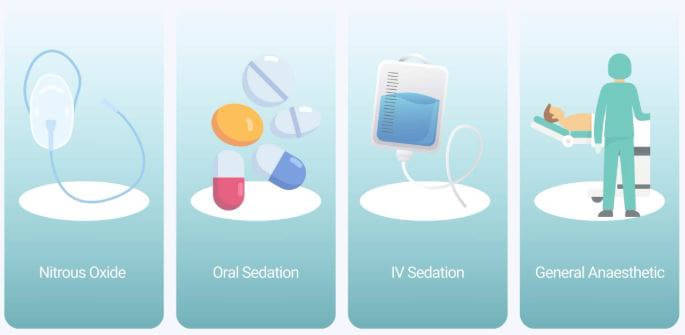
There are several levels of sedation, depending on your needs and the procedure.
Nitrous Oxide (Laughing Gas)
- Inhaled through a small mask
- Provides mild relaxation
- Wears off quickly
- You can usually drive yourself home
This is ideal for mild anxiety or shorter procedures.
Oral Sedation
- Taken as a prescribed pill before your appointment
- Produces moderate relaxation
- You’ll feel drowsy but responsive
- Requires a driver to take you home
Many patients say they remember little of the appointment afterward.
IV Sedation
- Administered directly into a vein
- Provides deeper relaxation
- You may not remember the procedure
- Requires someone to drive you home
IV sedation is often used for surgical or longer procedures.
Will I Be Asleep?
Most dental sedation is considered “conscious sedation,” meaning you remain responsive but deeply relaxed. IV sedation can feel like you were asleep, but you are still able to respond to instructions if needed.
Is Dental Sedation Safe?
Yes. When administered by trained professionals with proper monitoring, dental sedation is very safe. Before recommending sedation, your dentist will:
- Review your medical history
- Discuss current medications
- Evaluate any health conditions
- Monitor vital signs throughout treatment
Patient safety is always the top priority.
Will I Feel Pain During the Procedure?
No. Sedation helps you relax, and local anesthesia is still used to numb the treatment area. Together, they ensure you remain comfortable throughout your procedure.
How Long Does Sedation Last?
- Nitrous oxide: Wears off within minutes after the mask is removed
- Oral sedation: Effects can last several hours
- IV sedation: You may feel groggy for the remainder of the day
For oral and IV sedation, you should plan to rest and avoid important decisions or driving afterward.
Are There Any Side Effects?
Most side effects are mild and temporary, such as:
- Drowsiness
- Dry mouth
- Mild nausea
- Grogginess
Serious complications are rare when proper protocols are followed.
Who Is Not a Candidate for Sedation?
Certain medical conditions, pregnancy, or medication interactions may require additional evaluation. Your dentist will discuss whether sedation is appropriate for you.
Does Insurance Cover Dental Sedation?
Coverage varies by plan. Some insurance providers cover sedation if it is considered medically necessary, especially for surgical procedures. Your dental office can help verify your benefits in advance.
Can Children Receive Dental Sedation?
Yes, in certain situations. Pediatric sedation is carefully evaluated based on age, health history, and the complexity of the procedure. Safety protocols are strictly followed.
Why Patients Choose Sedation Dentistry
Many patients who once avoided the dentist find that sedation transforms their experience. It allows them to:
- Complete multiple procedures in fewer visits
- Reduce anxiety and fear
- Prevent worsening dental issues
- Maintain better long-term oral health
For many, sedation dentistry isn’t just about comfort — it’s about finally getting the care they deserve.
Ready to Feel Comfortable at the Dentist?
If dental anxiety has kept you from scheduling treatment, sedation dentistry may be the solution. Talk with your dental team about your concerns and learn which option is right for you.
Your comfort matters — and modern dentistry makes stress-free visits possible.
 Skip to content